
Cutting Your Callback Rate Without Slowing Down Techs
Most callbacks trace back to five preventable root causes that have nothing to do with a technician's skill level.
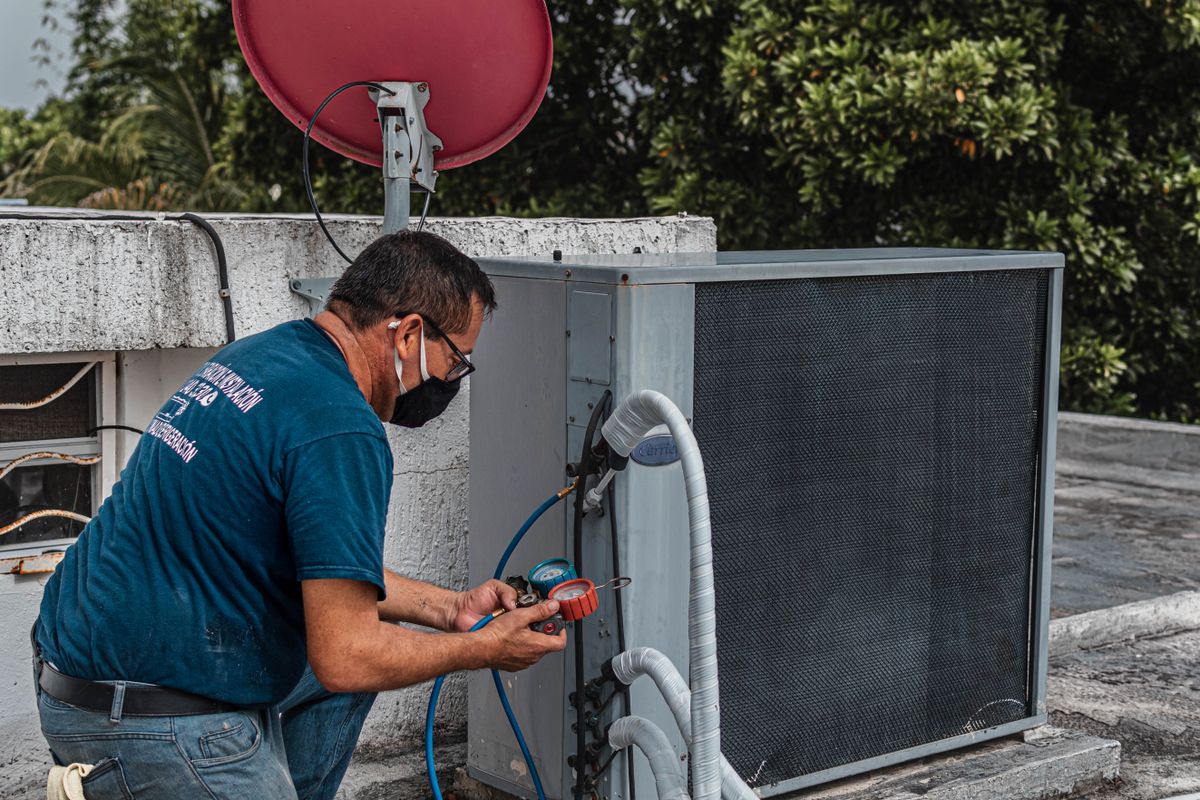
Callbacks Are a Systems Problem, Not a People Problem
When callback rates climb, the instinct is to blame the tech on the ticket. Sometimes that's fair. More often, the callback traces back to something upstream of the tech: a rushed diagnostic window, missing parts on the truck, unclear scope on the original ticket, or a customer who never understood what was actually fixed versus what was deferred. Treating every callback as a training issue misses the pattern and burns morale on your best techs, who tend to get the hardest jobs and therefore the most complex failure modes.
Build a callback review process that asks "what upstream condition allowed this" before it asks "what did the tech miss."
Roughly how many inbound calls do you take in a week?
Tap to start. 5 quick questions, then see your monthly number.
The Five Root Causes Worth Auditing
1. Rushed or incomplete diagnostics
A callback on a system that was "fixed" in fifteen minutes is often a callback that was baked in from the start. If your average diagnostic time on no-cool or no-heat calls has been quietly shrinking because dispatch is squeezing more jobs into the day, that's a scheduling decision creating a quality problem. Set a minimum diagnostic time standard for common failure categories and protect it, even on a busy day.
2. Truck stock gaps forcing a partial fix
A tech who doesn't have the right capacitor, contactor, or start kit on the truck faces a bad choice: drive back to the shop and blow the day's schedule, or make a fix that addresses the symptom but not the root cause, hoping it holds. Track which SKUs show up most often as "not on truck" in your callback notes and fix truck stock minimums around that data, not around a generic parts list.
3. Scope that wasn't actually agreed to
A lot of callbacks aren't failures at all, they're miscommunication. The customer thought the whole system was serviced; the tech addressed the specific complaint and noted deferred items on the invoice that nobody read aloud. Build a habit of verbally walking the customer through what was fixed, what was inspected and fine, and what was flagged for a future visit, before the tech leaves the property.
4. Inconsistent commissioning on install and replacement work
Callbacks on new installs are disproportionately expensive and disproportionately avoidable. Static pressure not verified, refrigerant charge set by superheat/subcool tables instead of measured and confirmed, startup checklist skipped under end-of-day time pressure. A mandatory, signed-off commissioning checklist on every install, with no exceptions for end-of-day jobs, closes most of this gap.
5. Weather- and load-driven false callbacks
Some callbacks aren't really failures, they're a system running at its performance edge during a heat wave or cold snap and a customer who expected central air to feel like 68 degrees during a 105-degree day. Train your CSRs to set expectations on the original call ("a properly sized system will typically hold about 20 degrees below outdoor ambient, not a fixed number") so a borderline-normal system doesn't generate an avoidable truck roll.
Building the Review Loop
- Tag every callback with a root cause category at the time it's closed, using the five above (or your own list). Don't let "tech error" be the default catch-all category; it hides the real pattern.
- Review categorized callbacks monthly, not per-incident. A single callback tells you about one job. Twenty callbacks in a month tell you about your operation.
- Separate first-year techs from veterans in the data. If callback rate on a specific failure type is high across your whole team, it's a training or truck-stock issue. If it's concentrated in one or two techs, it's coaching, and it's better coaching to have that data than a gut feeling.
- Close the loop with dispatch and purchasing, not just the field team. A callback root-caused to truck stock is a purchasing fix. A callback root-caused to compressed diagnostic windows is a dispatch fix. Routing the finding to the wrong team guarantees it repeats.
What Good Looks Like
A healthy shop tracks callback rate as a percentage of completed jobs and reviews it by category, not just as a single blended number. Aim to get non-warranty callbacks into the low single digits as a share of completed jobs, and treat any month that trends upward as a signal to run the five-cause audit again, not a reason to just remind techs to "be more careful." Careful is not a process.
Most shops lose more booked work at the phone than they realize. See your monthly number.
See my number →