The Technician Ride-Along Program That Builds Bench Strength
A structured ride-along program turns entry-level hires into billable technicians faster and cuts first-year turnover along the way.
Why Informal Ride-Alongs Fail Most New Hires
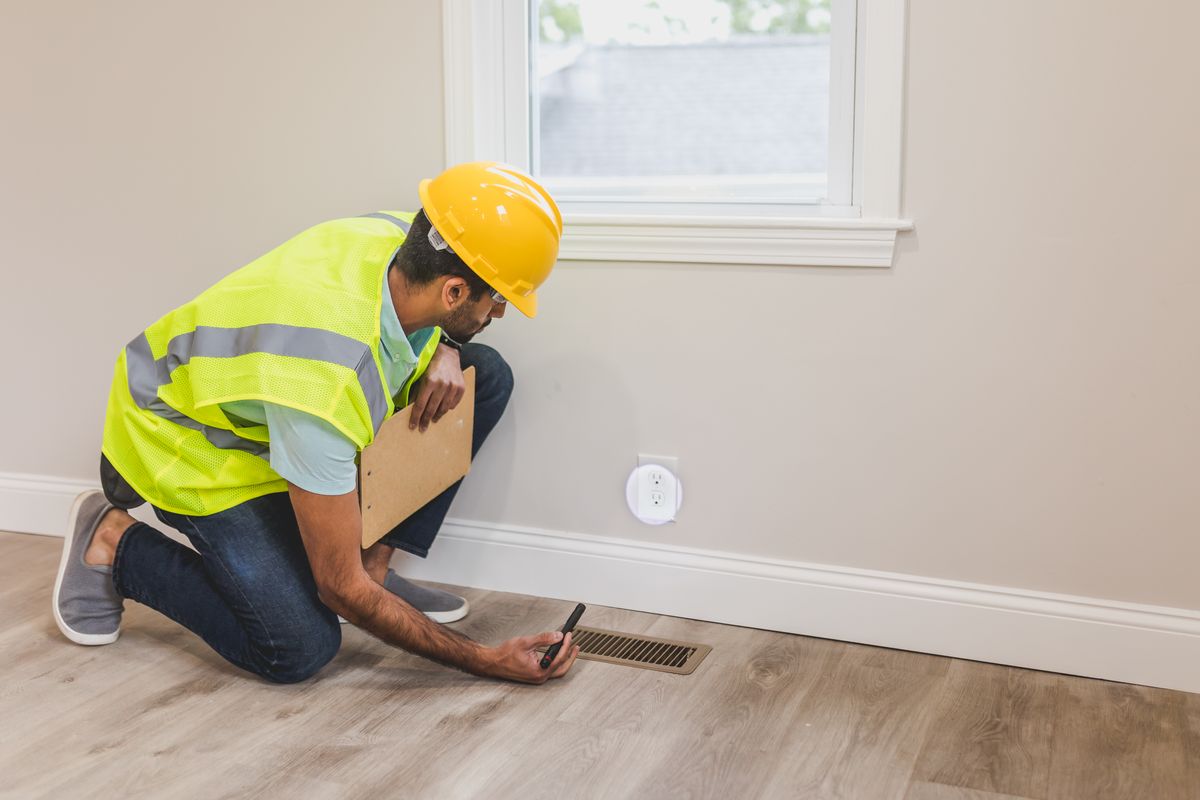
The default onboarding pattern at a lot of HVAC shops is simple: pair the new hire with whichever experienced tech has room on the truck that week, and let them absorb the trade by watching. This works occasionally, when the pairing happens to be a patient veteran with teaching instincts. Far more often, it produces wildly inconsistent results, a new hire who's mostly handed a flashlight and a broom, and no real record of what they've actually been exposed to by the time they're expected to run solo calls.
A structured ride-along program fixes the inconsistency, and inconsistency, not lack of talent, is usually the real reason first-year techs stall out or quit.
Roughly how many inbound calls do you take in a week?
Tap to start. 5 quick questions, then see your monthly number.
1. Build a Written Competency Checklist Before You Hire
Define, in writing, the specific skills and job types a tech needs exposure to before running solo: refrigerant handling and recovery, electrical diagnostics, static pressure testing, common failure diagnosis by equipment type, customer communication on a live call, safety procedures on attics and rooftops. Without a written list, "ready to solo" becomes a subjective gut call by whichever senior tech happened to train them, which produces wildly different skill levels across your team even among techs hired the same month.
2. Rotate Through Multiple Mentors, Not Just One
Pairing a new hire with a single mentor for their entire ramp period concentrates both the good and bad habits of that one person. Rotating through two or three different senior techs over the ride-along period exposes the new hire to different diagnostic approaches and different customer communication styles, and it gives you multiple data points on the new hire's actual progress instead of relying on one mentor's opinion.
3. Separate Observation Weeks From Supervised-Solo Weeks
Structure the ramp period in phases rather than a single blurry "training period": an initial phase of pure observation and assisting, followed by a phase where the new hire runs the diagnostic and repair themselves while the mentor supervises and only intervenes when needed. Skipping straight from observation to solo work removes the safety net exactly when the new hire needs it most; skipping the supervised-solo phase and jumping straight to fully independent calls does the same thing from the other direction.
4. Give Mentors an Actual Incentive to Teach Well
Asking a senior tech to slow down, explain their reasoning out loud, and let a trainee struggle through a diagnosis instead of just doing it themselves is a real ask on their production numbers. If your top techs are paid primarily on completed jobs or upsells, mentoring a new hire is a direct hit to their own paycheck unless you account for it. A modest mentor stipend, or adjusted production expectations during weeks they're actively training someone, removes the disincentive and signals that teaching is valued, not just tolerated.
5. Track Time-to-Solo as a Real Metric
Measure how long it actually takes each new hire to reach full solo status against your written competency checklist, and review that number across your hiring cohort over time. A widening time-to-solo trend is often an early warning sign of either a training program that's degrading (mentors cutting corners) or a hiring pipeline that's bringing in candidates with less baseline aptitude than before, and it's much easier to catch and correct with a tracked number than with a vague sense that "new hires seem to take longer these days."
6. Build in a Debrief Loop, Not Just a Checklist Sign-Off
At the end of each week of the ride-along period, have a short structured conversation between the new hire and their current mentor (or a supervisor) covering what went well, what still feels shaky, and what to focus on next week. A checklist that just gets silently checked off with no conversation attached misses the qualitative signal, like a new hire who's technically competent on the checklist items but still visibly anxious talking to customers, which a good debrief catches early enough to coach rather than letting it turn into a customer complaint.
7. Treat the Program as Retention Infrastructure, Not Just Ramp Speed
The real payoff of a structured ride-along program isn't only that new hires become billable faster, though that matters. It's that a new tech who feels genuinely trained, mentored, and set up to succeed is measurably less likely to leave in the first year than one who felt thrown into the field and left to figure it out. In a trade where finding and training talent is one of the hardest and most expensive ongoing problems a shop faces, a program that measurably improves first-year retention pays for its own overhead many times over.
Most shops lose more booked work at the phone than they realize. See your monthly number.
See my number →